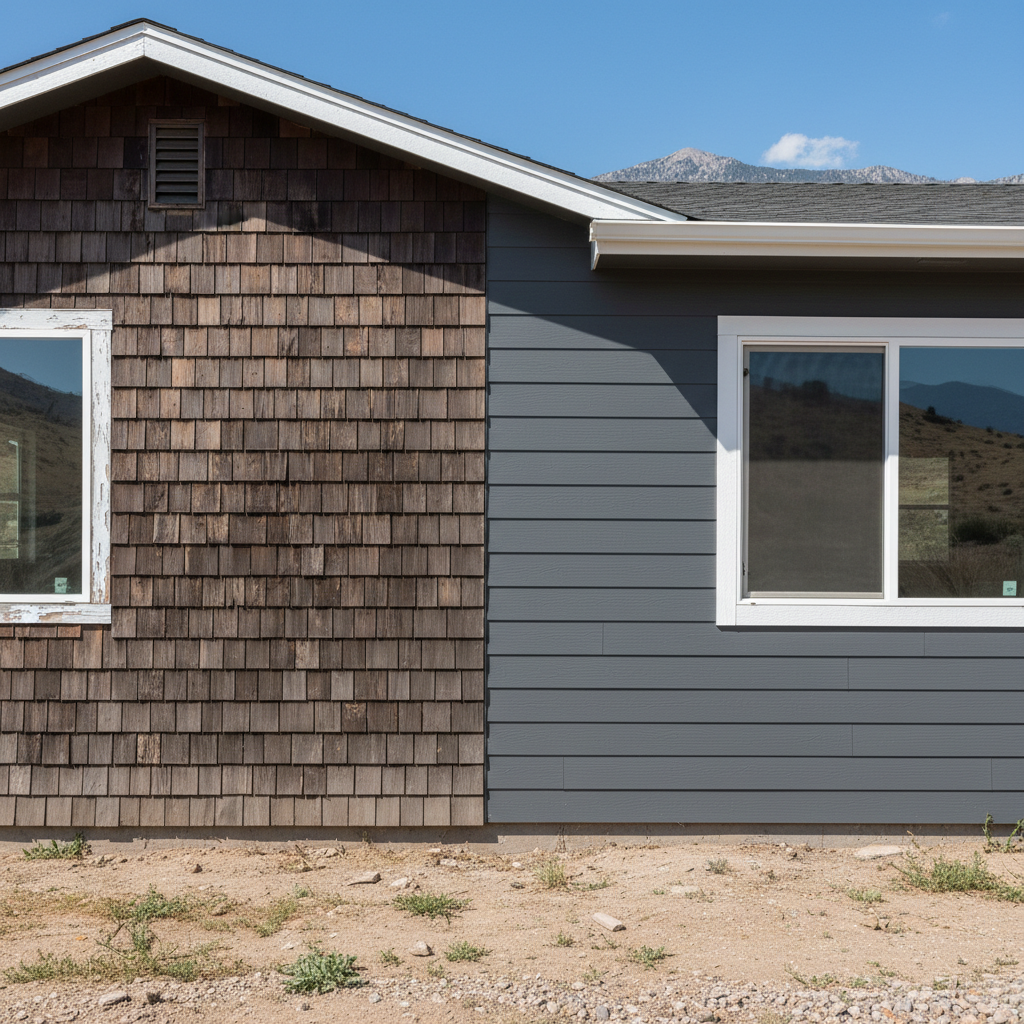
So, you're thinking about new siding for your home in Lehi, huh? That's a really smart move. It's not just about making your place look good; it's about keeping your biggest investment safe from our wild Utah weather. But before you even start looking at color swatches, there's a big decision to tackle: do you just slap new siding right over the old stuff, or do you tear everything off and start completely fresh?
I've seen both ways of doing things, and honestly, each has its place. Let's dig into what you should think about.
Option 1: Siding Over Existing Siding (The Overlay Method)
This one's pretty straightforward. We install new siding, usually vinyl, right on top of what's already there. People often see it as the quicker, cheaper choice, and sometimes, it absolutely is.
The Upsides:
- Lower Initial Cost: You save a good chunk of money on labor because my crew isn't spending days ripping off old material. Less demolition means less time, fewer disposal fees, and a smaller bill for you.
- Faster Installation: Without the tear-off, we can finish the job much quicker. If you're on a tight deadline, this can be a huge plus.
- A Little Extra Insulation (Sometimes): Depending on what we're covering, adding another layer might give you a slight bump in R-value. It's not a massive change, but every little bit helps with those brutal winter heating bills, doesn't it?
The Downsides:
- It Hides Problems: This is my biggest worry, hands down. If your old siding has rot, mold, or structural damage underneath, covering it up just lets those issues get worse. You're basically putting a band-aid on a broken leg. I've seen homes in older Lehi neighborhoods, especially those built in the 70s and 80s with original T1-11 or wood siding, where water damage was rampant underneath, completely hidden by a new overlay.
- Can Look a Bit Bulky: Adding a second layer of siding can make your window and door trim look like it's sunk in, giving the house a somewhat 'thicker' appearance. It's not always a deal-breaker, but you should definitely be aware of it.
- Fewer Siding Choices: For an overlay, you're pretty much stuck with vinyl siding. Other materials, like fiber cement or wood, are either too heavy or need a perfectly flat, stable surface — something old siding rarely offers.
- Potential for Future Headaches: If moisture gets trapped between the layers, you're looking at a much bigger problem down the road. It can be tough to properly flash around windows and doors when you're adding thickness, which can create new spots for water to sneak in.
Option 2: Full Siding Replacement (Rip and Replace)
This is what I call the gold standard. We take off all the old siding, check the sheathing and framing underneath, fix anything that needs it, and then install your new siding from scratch.
The Upsides:
- We Tackle Underlying Issues: This is huge. We can spot and fix any rot, mold, pest damage, or structural problems before they turn into major disasters. It's like giving your home's exterior a clean bill of health.
- Looks So Much Better: A full rip-and-replace job always looks cleaner and more professional. We can properly trim out windows and doors, and the siding lays perfectly flat. You get that crisp, fresh look you're paying for.
- Better Performance: With a clean slate, we can install house wrap and flashing correctly, making sure you get maximum weather protection and energy efficiency. This is super important for homes that face our strong canyon winds and heavy snow loads.
- More Material Options: You're not limited to just vinyl. You can pick from fiber cement (like James Hardie), wood, or even metal siding, giving you way more design flexibility and durability choices.
- Lasts Longer: Because the foundation is solid and we've done the installation right, your new siding will perform better and simply last longer.
The Downsides:
- Higher Initial Cost: Yep, it costs more. The labor for tear-off, disposal fees, and any potential repairs to the hidden structure all add to the total.
- Longer Installation Time: It just takes more time to remove the old siding and get the surface ready before the new siding goes up.
- Temporary Exposure: For a short period, your home's sheathing will be exposed to the elements. We always work hard to minimize this, but it's something to think about, especially if the weather's being unpredictable.
My Recommendation for Lehi Homeowners
Look, I'm not going to sugarcoat it. For most homeowners in Lehi, especially with the crazy weather we deal with – scorching summers, freezing winters, and sometimes a lot of moisture – I almost always recommend a full rip-and-replace. Yes, it costs more upfront, but it's a real investment in your home's long-term health and value.
You get the peace of mind that comes from knowing any hidden problems are taken care of, your new siding will perform its best, and your home will look absolutely fantastic. You're not just covering things up; you're truly upgrading your home.
The only time I'd seriously consider an overlay is if your existing siding is in absolutely perfect shape, you're on a super tight budget, and you're planning to sell the house in the next few years without wanting to spend a lot. Even then, I'd still insist on a really thorough inspection first.
Here at Classic Siding Inc, we believe in doing things right from the start. We'll always give you an honest assessment of your home's condition and help you understand all your choices. Give us a call, and let's take a look at your place together. We'll make sure your home is protected and looking great for years to come.