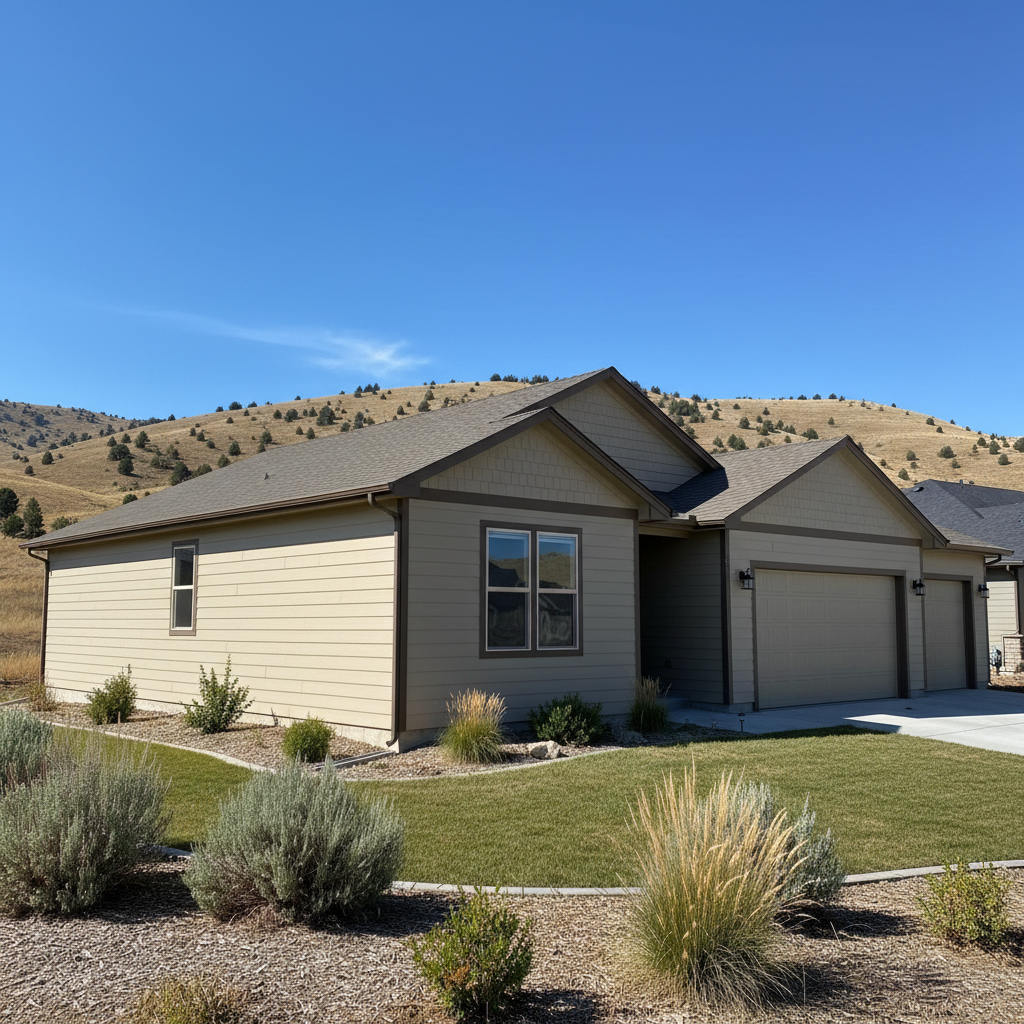
When's the best time to put up new vinyl siding on your Lehi home? That's a question I get a lot, and it's a good one, too. Our weather here in Utah County isn't always straightforward. What works for a house on the coast isn't necessarily what's best for a home sitting right at the base of the Wasatch Front. You've got to think about more than just the calendar.
Why Lehi's Climate Matters for Vinyl Siding
Vinyl siding is a fantastic product, don't get me wrong. It's durable, low maintenance, and looks great. But it's also a material that responds to temperature changes. Here in Lehi, we see some pretty wild swings. We've got those scorching summer days where the sun just bakes everything, and then we get those bitter cold winter nights. These extremes — especially the rapid changes you can get in spring and fall — affect how vinyl behaves.
When it's too cold, vinyl gets brittle. You try to cut it, and it can crack or chip instead of giving you a nice clean line. That's not just a headache for us installers; it means a less perfect finish for your home. On the flip side, when it's super hot, vinyl expands. If you install it in extreme heat without thinking about that expansion, you risk buckling and warping later on when the temperatures drop. You'll see those wavy lines, and nobody wants that, right? It's all about giving the material room to move, but you can't do that properly if the starting point is too far off.
The Best Time to Schedule Your Siding Project
So, what's the sweet spot? Generally, I tell folks that late spring and early fall are ideal for vinyl siding installation around here. Think April, May, September, and October. The temperatures are usually moderate – not too hot, not too cold. This lets us install the vinyl in a more stable state, meaning it's less likely to have expansion and contraction issues down the road. The material is more pliable, easier to work with, and we can get those perfect, tight seams that really make a difference.
Summer can work, especially if we get a stretch of not-too-hot days, but those triple-digit heat waves we sometimes get in July and August? We try to avoid those. Winter? Forget about it for new installs. Not only is the vinyl brittle, but working on ladders in icy conditions isn't just slow, it's dangerous. Plus, cold hands make for slower, less precise work, and I'm not going to compromise on quality for anyone.
Weather Conditions to Watch Out For
Beyond just temperature, there are other weather factors we keep an eye on. Wind is a big one. Lehi can get some serious gusts, especially down by the lake or in those newer developments like Traverse Mountain. Trying to hang long panels of siding in high winds is a nightmare. It's unsafe, and it's impossible to get things straight and secure. We'll often have to pause or reschedule if the wind picks up too much. Rain, obviously, is another no-go. You don't want water getting behind the house wrap during installation, and working with power tools in the rain is just asking for trouble. We're always checking the forecast to make sure we're scheduling when conditions are right.
Protecting Your Investment Year-Round
Once your beautiful new vinyl siding is up, you'll want to keep it looking good. The best part about vinyl is how little maintenance it needs. You don't have to paint it, and it's pretty tough. But a little care goes a long way, especially with our Lehi dust and occasional mud from those summer thunderstorms.
- Keep it clean: A good rinse with a garden hose once a year is usually all it takes to get rid of dust and dirt. For tougher spots, a soft brush and a mild soap-and-water solution will do the trick. Just don't use harsh abrasives or high-pressure washers too close, as you can damage the finish or force water behind the panels.
- Watch for sprinklers: Make sure your sprinkler heads aren't constantly spraying your siding. The minerals in our hard Lehi water can leave unsightly stains over time. Adjust those heads to water your lawn, not your house.
- Trim back foliage: Keep trees and shrubs trimmed so they're not constantly rubbing against your siding. That friction can wear down the finish over time, and branches can scratch it during windy days.
- Check for damage after storms: After a big windstorm or a hail event, just do a quick walk-around. Vinyl is tough, but extreme weather can sometimes cause issues. If you see anything, give us a call at Classic Siding Inc. It's better to catch small problems before they become big ones.
Ultimately, a well-installed vinyl siding job done in the right conditions will protect your home for decades. It's all about understanding our local climate and making smart choices. If you're thinking about an upgrade, let's talk about the best time to get it done right.