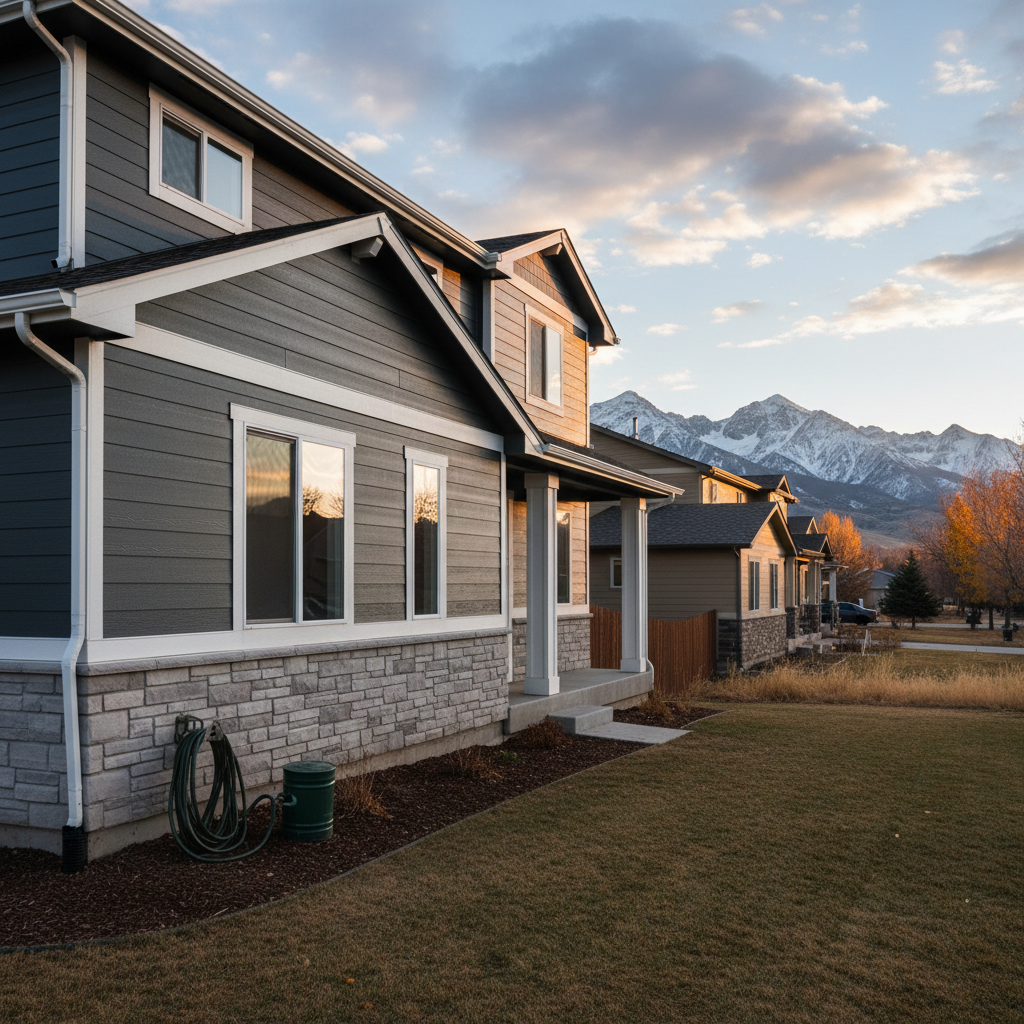
When's the best time to inspect your home's siding? That's a question I get a lot, actually, and honestly, there isn't just one right answer. It’s more about knowing what to look for throughout the year, especially with the kind of weather we get here in Lehi. Your siding is your home’s first line of defense, after all, so keeping an eye on it is crucial for preventing bigger, more expensive problems down the road.
Spring: The Post-Winter Check-Up
After a Lehi winter, spring is prime time for a good, thorough siding inspection. Just think about it: we get those heavy snowfalls, then the freeze-thaw cycles, and sometimes even a nasty ice storm. All that can really do a number on your home’s exterior. I always tell folks to walk around their house once the snow’s melted and the ground’s dried out a bit.
What should you be looking for? Keep an eye out for any loose or cracked panels. Water can sneak into those tiny openings and cause real trouble, especially with wood siding or even fiber cement if moisture gets behind it. Look for signs of warping, especially on those south and west-facing walls that get hit hardest by the sun and wind. Check around windows and doors for failing caulk – that's a common spot for water to get in, you know? You might also see some discoloration or mildew, which could mean moisture issues or just that it needs a good cleaning.
If you spot anything concerning, that's when you call in a pro. Catching these things early in spring means you can often get them fixed before the summer heat bakes them in, or before the fall rains make things even worse.
Summer: Heat, Sun, and Hail Patrol
Our Lehi summers can be brutal on siding, especially with that intense UV radiation. The sun’s rays can fade colors, dry out materials, and make some types of siding brittle over time. If you’ve got vinyl siding, you might notice some warping or buckling if it wasn’t installed correctly or if it’s older material. Fiber cement holds up really well to UV, but even it can show signs of wear after many years.
Summer's also when we occasionally get those intense thunderstorms, sometimes with hail. A hail storm, even a small one, can leave dents or cracks in your siding. After any significant storm, it’s a good idea to do a quick walk-around. You’re not just looking for big holes; sometimes it’s subtle dimples or chips that can compromise the siding’s integrity over time. If you suspect hail damage, you’ll want to get an inspection done quickly, especially if you plan to file an insurance claim.
For maintenance during summer, a gentle wash can do wonders. Just a soft brush and some mild soap can remove dirt, pollen, and any mildew that’s started to grow. Avoid high-pressure washers unless you really know what you’re doing, as they can force water behind the siding or even damage the material. Definitely don't want that.
Fall: Prepping for Winter's Chill
As the leaves start to change and the air gets crisp, it’s time to get your home ready for another Lehi winter. This is another critical time for an inspection. You want to make sure your siding is sealed up tight before the freezing temperatures and snow arrive.
Focus on those areas where water might collect or where wind-driven snow could penetrate. Check your gutters and downspouts – make sure they’re clear of debris and directing water away from your foundation and siding. Any overflowing gutters can dump water directly onto your siding, leading to rot or ice buildup. Re-check the caulking around windows, doors, and any penetrations like dryer vents or outdoor spigots. If you see any gaps, get them sealed up.
It’s also a good idea to trim back any trees or shrubs that are touching your siding. Branches rubbing against the house can cause abrasions, and foliage too close can trap moisture against the siding, creating a perfect environment for mildew or rot. I’ve seen plenty of homes in areas like Traverse Mountain where overgrown landscaping has caused preventable siding issues.
Winter: The Tough Season
During winter, your siding really gets put to the test. While you might not be doing a full inspection in a snowstorm, it’s good to be aware of how the conditions are affecting your home. Ice dams, for instance, can form on your roof and push water up under your shingles and behind your siding. Keep an eye out for excessive icicles or ice buildup on your eaves.
If you’re clearing snow, be careful not to hit your siding with shovels or snow blowers. Even a small impact can crack or chip a panel, especially when materials are brittle from the cold. If you notice any damage during winter, it might be tough to get it repaired immediately, but at least you’ll know what needs attention come spring.
Protecting Your Investment Year-Round
Regular, seasonal checks are your best defense. It’s not about being obsessive, but about being proactive. A little bit of attention throughout the year can save you a lot of headache and expense. If you’re ever unsure about what you’re seeing, or if you’ve got a repair that’s beyond a simple DIY fix, don’t hesitate to call in a local professional. We’re here to help keep your home protected and looking good, no matter what the Lehi weather throws at it. Here at Classic Siding Inc, we’ve seen it all, and we’re always ready to lend our expertise.