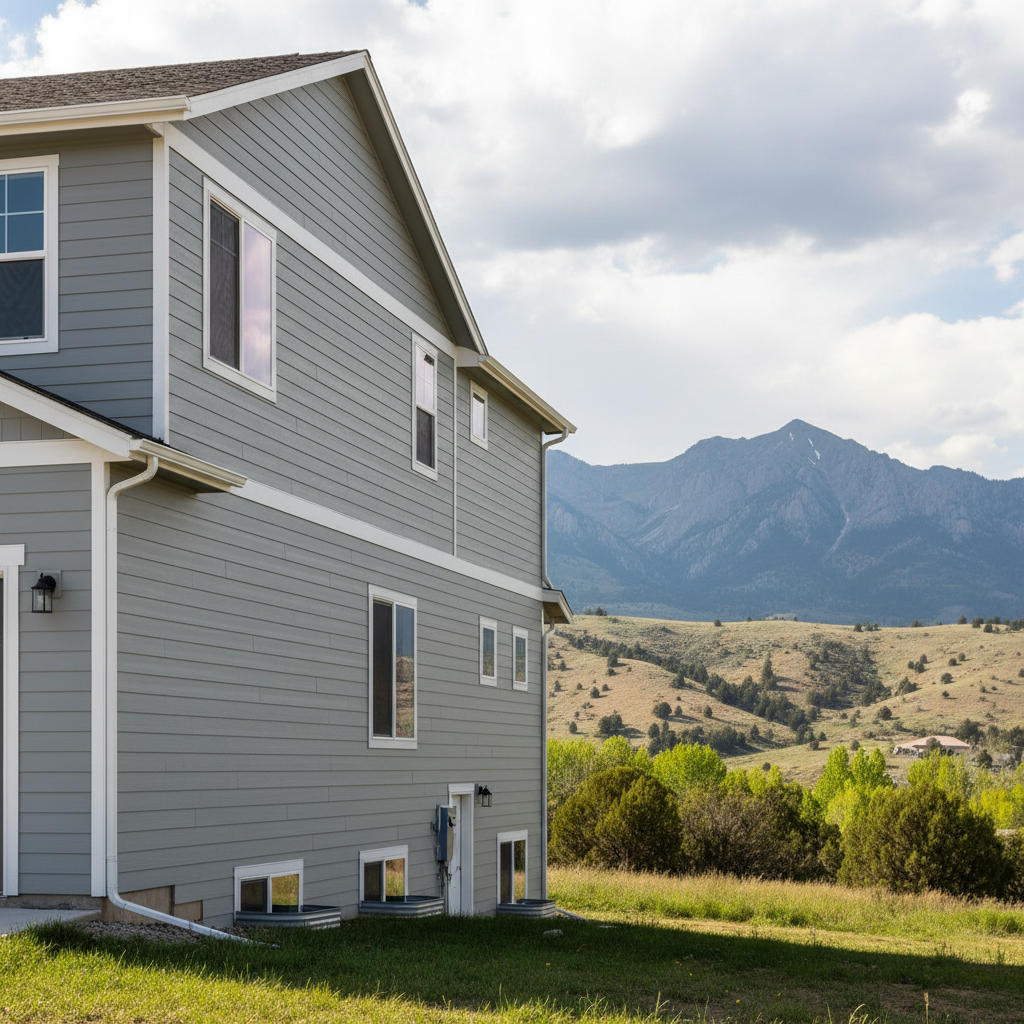
So, when's the best time to put new siding on your house? That's a question I hear a lot, and for good reason. You'd think it'd be simple, right? But here in Lehi, our weather can really throw you for a loop. Getting the timing just right isn't only about convenience; it's about making sure your siding actually lasts and does its job.
Why Good Timing Matters for Your Siding Project
You might not realize it, but the conditions during installation can seriously affect how well your siding holds up over the years. We're talking about things like expansion and contraction, proper sealing, and even keeping the crew safe. I've been on plenty of projects, and let me tell you, rushing into a job during the wrong season often leads to headaches down the road.
- Material Movement: Siding materials, especially vinyl, expand and contract as temperatures change. If we install it too tight in cold weather, it'll buckle when things heat up. Too loose in hot weather, and you'll see gaps once it cools. We really need that sweet spot.
- Sealant Curing: Caulks and sealants need specific temperatures to cure properly. If it's too cold or too wet, they just won't bond right, leaving your home open to moisture.
- Crew Safety & Efficiency: Extreme weather, whether it's freezing cold or scorching hot, makes the job tougher and less safe for my guys. It can slow things down and even impact the quality of the work if hands are numb or sweat's dripping into eyes.
The Best Times to Get Your Lehi Siding Installed
Based on what I've seen working on homes all over, from Traverse Mountain to those older neighborhoods near Main Street, here's my take on the ideal seasons:
Spring (April - June)
This is often the sweet spot, honestly. Temperatures are usually mild – not too hot, not too cold. We've typically seen the back of the heavy snows, and summer's heat hasn't really kicked in yet. The ground's usually thawed, which makes it easier for us to set up scaffolding and move materials around without sinking into mud. Plus, sealants cure beautifully in these conditions. The only downside? Everyone else wants their siding done then too, so you'll definitely need to book early.
Early Fall (September - October)
Another fantastic window. The summer heat has finally broken, and we're generally not dealing with freezing temperatures yet. It's a lot like spring in terms of mild weather, which is great for both materials and the crew's comfort. You're also usually past the peak summer demand, so scheduling might be a bit easier. We do keep an eye out for those first hard frosts, but generally speaking, early fall is prime time.
When We Might Hit the Brakes (and Why)
There are times when installing siding just isn't smart, and as a local contractor, I won't push through if it means compromising the job.
- Winter (November - March): Freezing temperatures are the biggest problem. Siding materials get brittle and can crack easily, especially vinyl. Sealants won't cure. And working on ladders and scaffolding with ice and snow? That's just plain dangerous. We can sometimes do small repairs or prep work during milder winter spells, but full installations? Not ideal.
- Peak Summer Heat (July - August): While not as bad as winter, extreme heat (think 100+ degrees) can make materials too pliable and tough to work with precisely. It's also brutal on the crew. We can sometimes work around this by starting super early, but it's not our first choice, you know?
- Heavy Rain or Wind: This one's a no-brainer. You just can't install siding in a downpour. Water gets behind everything, and high winds make it unsafe to be up high, plus they can damage materials before we even get them properly fastened.
Year-Round Protection for Your Siding Investment
Once your beautiful new siding is up, you'll want to keep it looking great and performing its best. It's not just about the installation; it's about taking care of it over time.
- Regular Cleaning: A good wash once a year, maybe twice, will keep off the dirt, pollen, and mildew that can build up. A soft brush and a garden hose usually do the trick. For tougher spots, a mild detergent is fine. Just avoid high-pressure washers unless you really know what you're doing; they can force water behind the siding.
- Trim Shrubs and Trees: Keep any landscaping away from your house. Branches rubbing against siding can cause scratches, and dense foliage can trap moisture, leading to mildew or even insect issues.
- Check Your Gutters: Make sure your gutters are clean and draining properly. Overflowing gutters can send water cascading down your siding, which is definitely not what you want.
- Inspect for Damage: After big storms, or just once a year, take a walk around your house. Look for any loose panels, cracks, or gaps in the caulk. Catching small issues early can prevent them from becoming big, expensive problems.
- Mind the Sprinklers: Make sure your sprinkler heads aren't constantly dousing your siding. Constant moisture can lead to issues over time.
Ultimately, a well-timed installation by an experienced crew like us at Classic Siding Inc, combined with a little bit of homeowner care, will ensure your Lehi home stays protected and looks fantastic for decades. Don't hesitate to reach out if you've got questions about your specific project or the best time to get it done.