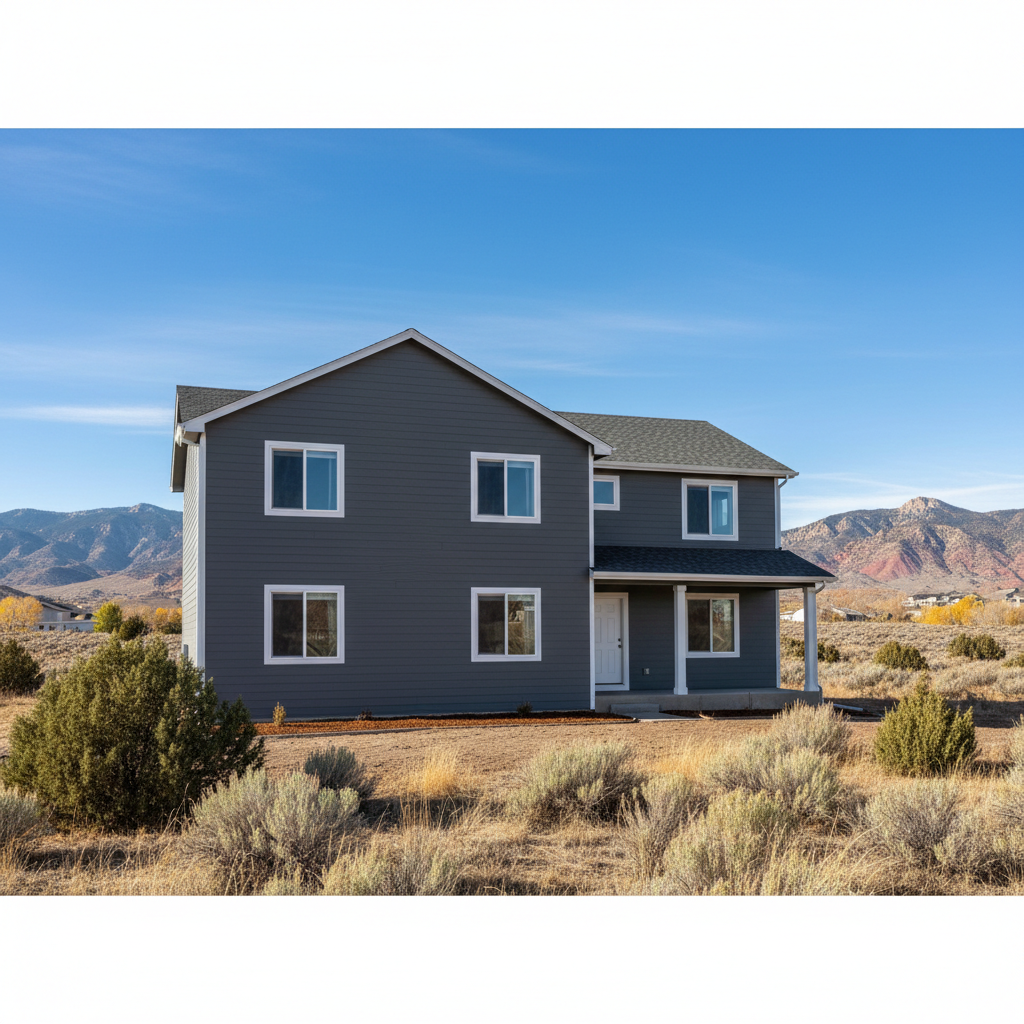
When's the best time to rip off your old siding and put up new stuff? That's a question I get a lot, and for good reason. You don't want to start a big project like that at the wrong time of year, especially here in Lehi. Our weather can be a real rollercoaster, and it directly impacts how smoothly your siding replacement goes.
Timing Your Siding Project: It's All About the Weather
Look, I've been doing this for a long time, and I've seen it all. Trying to replace siding in the middle of a blizzard or a scorching July heatwave isn't just uncomfortable; it can actually mess with the quality of the work. You're exposing your home's sheathing to the elements, and that's something you want to minimize.
Generally, I tell folks that spring and fall are your best bets. Why? Mild temperatures. When it's not too hot and not too cold, materials behave better. Vinyl siding, for instance, expands and contracts with temperature changes. If we install it on a super cold day, it'll expand a lot when it warms up, potentially buckling. Install it on a super hot day, and it'll contract when it gets cold, possibly pulling away from fasteners. We know how to account for this, but ideal conditions make everything easier and ensure a better, longer-lasting finish.
Spring, usually from April to early June, is fantastic. The ground's thawed, the really heavy snow is gone, and you've got consistent, moderate temperatures. Plus, you're getting it done before the intense summer sun bakes everything. Fall, from September to early November, is also prime time. The summer heat has died down, and we usually get a good stretch of dry, cool days before the serious winter weather kicks in.
What Weather Conditions Really Matter?
Beyond just temperature, there are a few other things we keep a close eye on:
- Rain: This is a big one. You absolutely do not want your home's exposed sheathing getting soaked. It can lead to moisture issues, mold, and rot down the line. We can work through light drizzle if we have to, with proper precautions, but heavy rain means we're packing up for the day.
- Wind: Lehi can get some serious wind, especially up in places like Traverse Mountain. High winds make it dangerous to work on ladders and can turn large sheets of siding into sails. It's a safety hazard for my crew and can damage materials.
- Extreme Cold: Below freezing, materials become brittle. Nails don't drive as cleanly, and caulk won't cure properly. Plus, it's just plain miserable and less safe for the guys working outside.
- Extreme Heat: Above 90 degrees, siding can get soft and warp, making it harder to handle and install perfectly straight. It's also a big risk for heat exhaustion for the crew.
We're always checking the forecast, sometimes hourly, to make sure we're not putting your home or my crew at risk. A good contractor, like us at Classic Siding Inc, will communicate openly about weather delays. It's not about being lazy; it's about doing the job right.
Protecting Your Siding Investment Year-Round
Once your beautiful new siding is up, you want it to last, right? Here's how you can help protect it, no matter the season:
- Keep it Clean: Dirt, dust, and pollen can build up. A good rinse with a garden hose once or twice a year is usually all it takes. For tougher spots, a soft brush and mild detergent will do the trick. Avoid high-pressure washers unless you really know what you're doing, as they can force water behind the siding.
- Trim Those Trees and Shrubs: Make sure branches aren't rubbing against your siding. That constant friction can wear down the finish over time. Also, keep shrubs from growing directly against the house; you want good airflow to prevent moisture buildup.
- Check Your Gutters: This is huge. Clogged or overflowing gutters can direct water right onto your siding, leading to streaks, staining, and even moisture intrusion. Keep them clean and make sure downspouts direct water away from your foundation.
- Inspect for Damage: After a big storm, or just once a year, take a walk around your house. Look for any loose panels, cracks, or dings. Catching small issues early can prevent them from becoming big, expensive problems.
- Mind Your Sprinklers: Make sure your sprinkler heads aren't constantly spraying your siding. The minerals in our hard Lehi water can leave unsightly stains, and constant moisture isn't good for any exterior material.
Taking a little time for maintenance goes a long way. Your siding is your home's first line of defense against our crazy Utah weather. Treat it well, and it'll protect your home for decades.