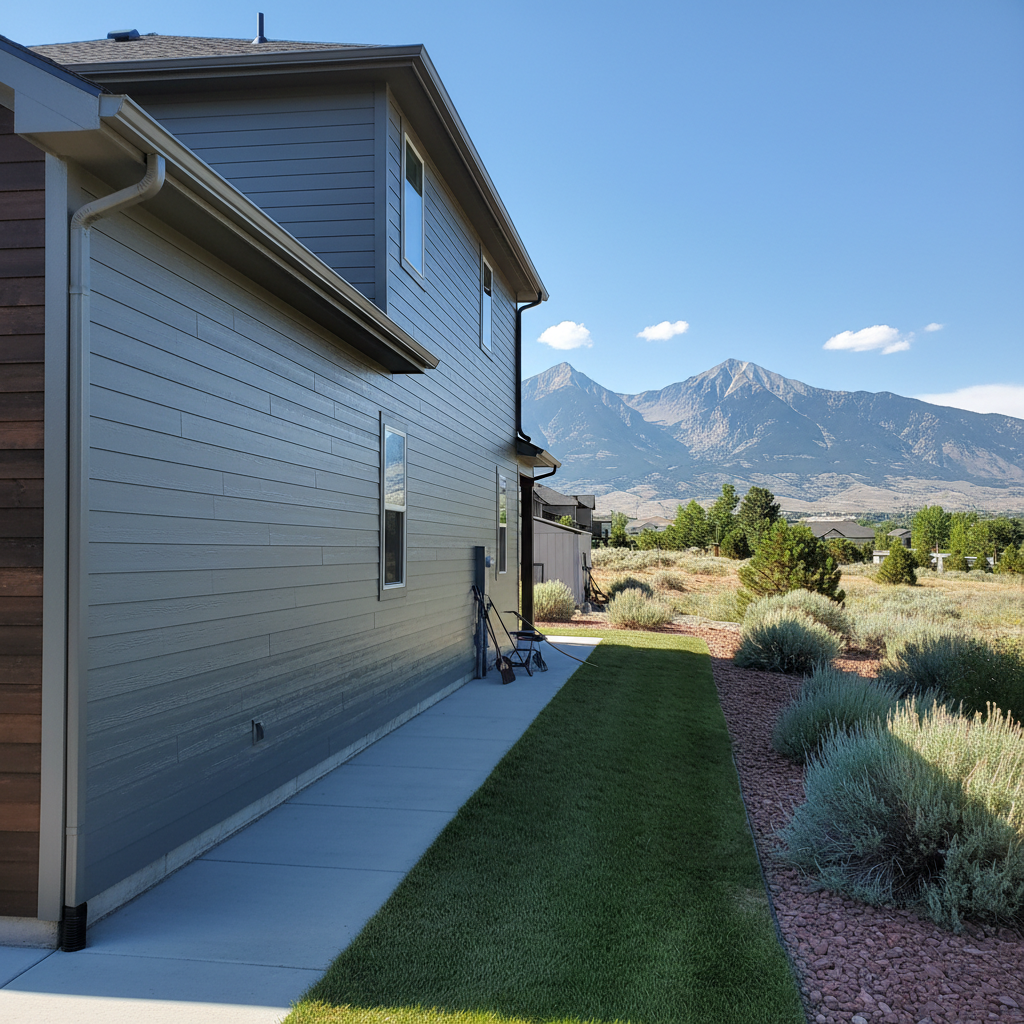
You've put good money into your home's siding, whether it's vinyl, fiber cement, or something else. And you want it to last, right? Smart move. A lot of folks think once it's up, that's it. But just like anything else on your house, a little regular attention really goes a long way. I've been doing this for years here in Lehi, and I can tell you, the homes that get a bit of TLC on their siding always look better and hold up longer.
Extending Your Siding's Lifespan: It's All About Prevention
The best way to make your siding last is to stop problems before they even start. Our Lehi climate, with its hot, dry summers and cold, snowy winters—plus those intense UV rays—can be tough on exterior materials. Here's what I recommend:
- Keep it Clean: This is probably the biggest one. Dirt, dust, pollen, mold, and mildew don't just look bad; they can actually degrade your siding over time. Especially on the north-facing sides of homes or in shadier spots, you'll see green or black growth. That stuff holds moisture against the siding, which is never good.
- Manage Moisture: Beyond just cleaning, make sure your gutters are clear and sending water away from your foundation and siding. Check your sprinkler system, too – is it spraying directly onto your house? That constant moisture can lead to staining, mildew, and even rot if you have wood components. I've seen plenty of homes in the Traverse Mountain area with issues from sprinklers hitting the siding daily, believe me.
- Trim Landscaping: Bushes, trees, and shrubs that are too close to your house can trap moisture, block sunlight (which encourages mold), and even scratch your siding in windy conditions. Give your siding some breathing room.
- Inspect Regularly: Don't just wait for a problem to pop up. Walk around your house a couple of times a year, maybe in spring and fall. Look closely.
What Regular Maintenance Looks Like
For most types of siding, regular maintenance is pretty straightforward. You don't need to be a pro, just observant.
- Annual Cleaning: For most homes here, a good cleaning once a year is usually enough. You can use a soft brush and a garden hose, or a pressure washer on a low setting with a wide tip. I always tell folks to start with the lowest pressure and work their way up. Too much pressure can damage siding, especially vinyl, by forcing water behind the panels. Use a mild detergent – something like dish soap and water, or a specialized siding cleaner. Always rinse thoroughly from top to bottom.
- Check Caulking and Sealants: Look around windows, doors, and where different materials meet. Cracks in caulk let water get behind your siding, causing bigger problems down the line. Re-caulk as needed.
- Fastener Checks: If you have siding that's nailed or screwed on, occasionally check for loose fasteners. Sometimes, with our temperature swings, things expand and contract, leading to a nail working its way out a bit.
- Pest Control: Keep an eye out for insect nests or rodent activity near or behind your siding. Pests can cause damage and create entry points for moisture.
Warning Signs of Trouble
Catching problems early can save you a lot of headaches and money. Here are some things to look for:
- Discoloration or Stains: Beyond the usual dirt, look for dark streaks, green patches (algae/mildew), or rust stains. These indicate a moisture issue or a reaction with another material.
- Cracks, Chips, or Holes: Any breach in the siding's surface invites water. Even small ones can lead to big problems.
- Warping, Buckling, or Gaps: Vinyl siding can sometimes warp or buckle if it's installed too tightly or exposed to extreme heat (like from a BBQ grill too close). Gaps between panels can also indicate movement or improper installation.
- Loose Panels: If you see a panel flapping in the wind, it needs immediate attention.
- Peeling Paint or Rot (for painted wood/fiber cement): This is a clear sign that water is getting in or that the material is degrading.
- Increased Energy Bills: Sometimes, failing siding can contribute to poor insulation, leading to higher heating or cooling costs.
When to Call a Professional
While a lot of siding maintenance is DIY-friendly, there are times you really should call in the pros. Don't be afraid to ask for help; that's what we're here for.
- Extensive Damage: If you've got large sections of siding cracked, warped, or missing, it's probably beyond a simple fix.
- Water Intrusion: If you suspect water is getting behind your siding – maybe you see water stains inside your home, or mold on interior walls – that's a serious issue that needs expert assessment.
- High-Up Repairs: If the damage is on a second story or requires specialized equipment to reach safely, don't risk a fall.
- Unknown Cause: If you see a problem but can't figure out why it's happening, a professional can diagnose it. We've got the experience to spot hidden issues.
- You're Not Comfortable: If you're not confident in your ability to make a repair without causing more damage, or if you simply don't have the time, call us. We'd rather you call us at Classic Siding Inc to do it right than have you try a fix that makes things worse.
Taking care of your siding isn't rocket science, but it does require a bit of regular attention. It's an investment in your home's curb appeal, protection, and overall value. Keep an eye on it, give it a good wash now and then, and don't hesitate to reach out if you spot something that looks like trouble. Your home will thank you for it.