Alright, let's talk insulation. It's one of those things you don't think about until your energy bill spikes or your house feels like a freezer in January. When folks in Lehi call me about upgrading their home's envelope, especially when we're doing siding work, the question often comes up: blown-in or rigid foam? Both are good options, but they've got their own pros and cons, and what works best for one house might not be ideal for another, especially with our wild temperature swings here in Utah County.
Blown-In Insulation: The Fluffy Stuff
When I say 'blown-in,' most people think of that fluffy, gray stuff – cellulose – or sometimes fiberglass. It's basically recycled paper products treated for fire resistance, or spun glass fibers. We use a big machine to blow it into wall cavities or attics. It's a popular choice, and for good reason.
The Good Stuff About Blown-In:
Cost-Effective: Generally, it's cheaper to install upfront than rigid foam. If you're on a budget and need to cover a large area, blown-in cellulose or fiberglass can get you a good R-value without breaking the bank.
Fills Irregular Spaces: This is where it really shines. Blown-in insulation can conform to all sorts of nooks, crannies, and around pipes or wiring. It creates a pretty seamless thermal blanket, which is crucial for preventing air leaks.
Sound Dampening: Cellulose, especially, is excellent at reducing sound transmission. If you live near a busy road or just want a quieter home, this is a nice bonus.
Eco-Friendly (Cellulose): If you're into green building, cellulose is made from recycled materials, which is a big plus.
The Not-So-Good About Blown-In:
Settling: Over time, especially in walls, it can settle, leaving gaps at the top of the cavity. This isn't as much of an issue in attics where you can just add more, but in walls, it's a pain.
Moisture Issues: If it gets wet, blown-in insulation can lose its R-value and even become a breeding ground for mold. This is less of a concern if your siding and roof are doing their job, but it's something to be aware of.
Dusty Installation: It's a messy job, no two ways about it. We take precautions, but you'll find dust.
Rigid Foam Insulation: The Boards
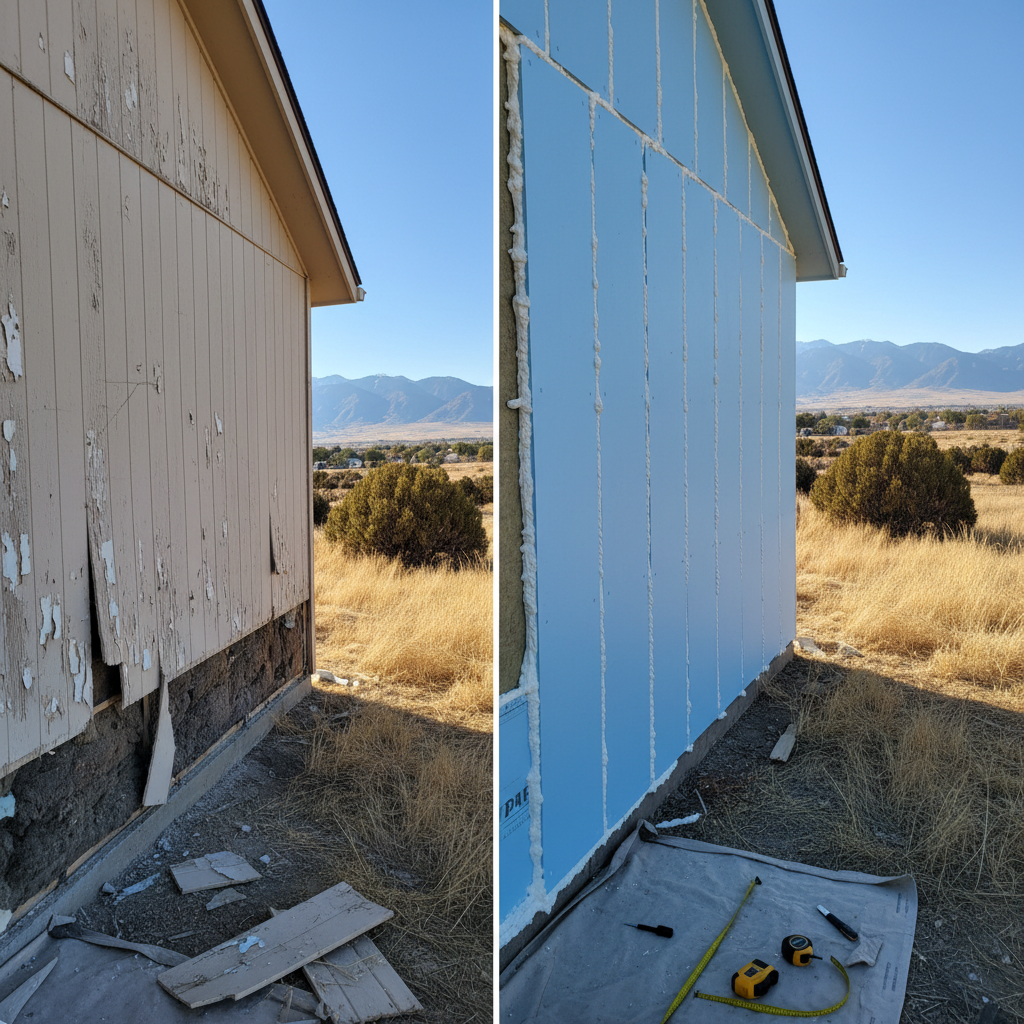
Rigid foam insulation comes in boards – think big, stiff panels made from materials like polyisocyanurate (polyiso), extruded polystyrene (XPS), or expanded polystyrene (EPS). We cut these panels to fit and install them directly against your exterior sheathing or on the interior side of your studs.
The Good Stuff About Rigid Foam:
High R-Value Per Inch: This is its biggest advantage. Rigid foam generally offers a higher R-value for less thickness than blown-in. That means you can get better insulation in a smaller space, which is great for wall cavities.
Excellent Air Barrier: When properly sealed at the seams with tape or caulk, rigid foam boards create a fantastic air barrier, which is key to energy efficiency. This is a huge deal for keeping our cold Lehi winds out in the winter.
Moisture Resistance: Most rigid foams are much more resistant to moisture than blown-in options. XPS, for example, handles water really well, which is a good thing if you ever have a minor leak.
Structural Stability: It doesn't settle or sag like blown-in can. Once it's in, it stays put.
The Not-So-Good About Rigid Foam:
Higher Upfront Cost: It's usually more expensive per square foot to buy and install rigid foam.
Labor Intensive: Cutting and fitting each board perfectly around every stud, wire, and pipe takes more time and precision. If it's not cut and sealed right, you lose a lot of its benefits.
Gaps: If not installed perfectly, you can end up with small gaps between the boards or around penetrations, which can reduce its effectiveness. We're meticulous about sealing, but it's a factor.
Not as Good for Sound: It's not designed for sound dampening like blown-in is.
Which One Should You Choose for Your Lehi Home?
Alright, so what's my recommendation? For most Lehi homes, especially when we're talking about insulating existing wall cavities during a siding replacement, I'm leaning towards rigid foam insulation.
Here's why:
Our climate here in Lehi is tough. We get really cold winters and hot summers. The biggest enemy of energy efficiency isn't just a lack of R-value; it's air leakage. Those cold winds whipping off the mountains or the hot summer air seeping in through tiny cracks can really drive up your utility bills. Rigid foam, when installed correctly by a company like Classic Siding Inc. that knows what they're doing, creates a superior air barrier. That high R-value per inch also means we can maximize your insulation without making your walls too thick, which is a common concern in older homes.
I've seen too many homes in places like the Traverse Mountain area, where the winds can really howl, benefit immensely from the air-sealing properties of rigid foam. While the upfront cost is higher, the long-term energy savings and comfort usually make it worth the investment. You'll feel the difference, I promise.
Now, if you're just looking to top off an attic, blown-in is still a fantastic, cost-effective option. But for walls, especially if you're already tearing off old siding, rigid foam is the way to go for maximum performance and durability against our specific Lehi weather patterns. Don't just insulate; insulate smart.